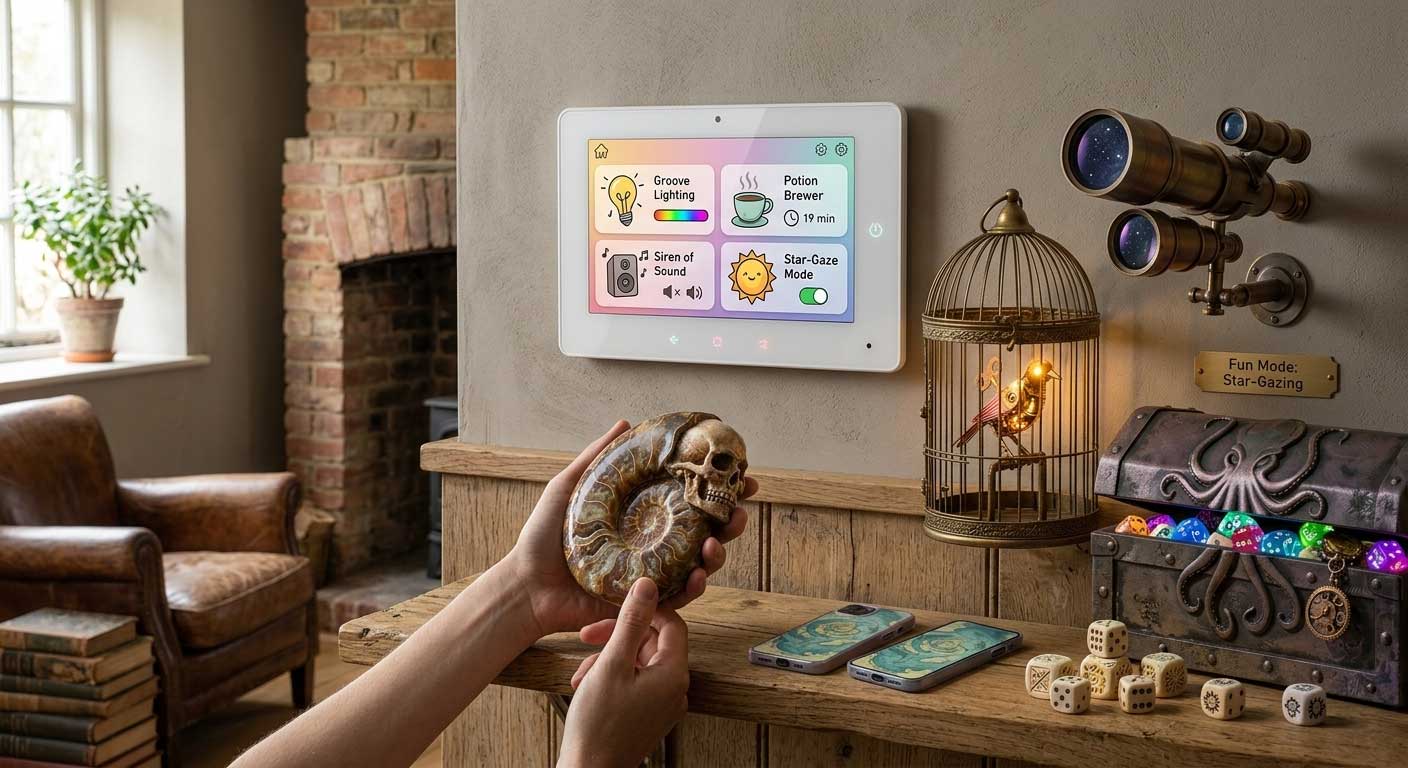
Benefits of Home Automation: Comfort, Convenience, and Control
One of the biggest advantages of home automation is the comfort and convenience it offers. With just a few taps on your smartphone or a simple voice command, you can control multiple aspects of your home environment. Imagine adjusting your thermostat, dimming the lights, and starting your morning coffee without leaving your bed.
Additionally, automation allows for personalized settings tailored to your lifestyle. You can create routines, such as a “morning mode” that gradually turns on lights and plays music, or a “night mode” that locks doors and switches off appliances. This level of control ensures your home works seamlessly around your needs rather than the other way around.
Energy Efficiency and Cost Savings Through Automation
Smart home automation can significantly improve energy efficiency. Automated systems can monitor and adjust energy usage based on occupancy and behavior patterns. For instance, lights can automatically turn off when rooms are empty, and thermostats can reduce heating or cooling when you’re away.
Over time, these small adjustments can lead to noticeable savings on your energy bills. Not only does this benefit your wallet, but it also reduces your environmental impact. By using energy more efficiently, smart homes contribute to a more sustainable and eco-friendly lifestyle.
Enhancing Security with Smart Home Technology
Security is another area where smart home technology excels. Devices such as smart locks, cameras, and motion sensors can be monitored and controlled remotely, giving you peace of mind wherever you are. You can receive instant alerts on your phone if unusual activity is detected, allowing you to act quickly.
Automation can also simulate your presence when you’re away by turning lights and appliances on and off at scheduled times. This added layer of security can deter potential intruders and make your home feel safer overall.
Popular Smart Home Devices to Consider
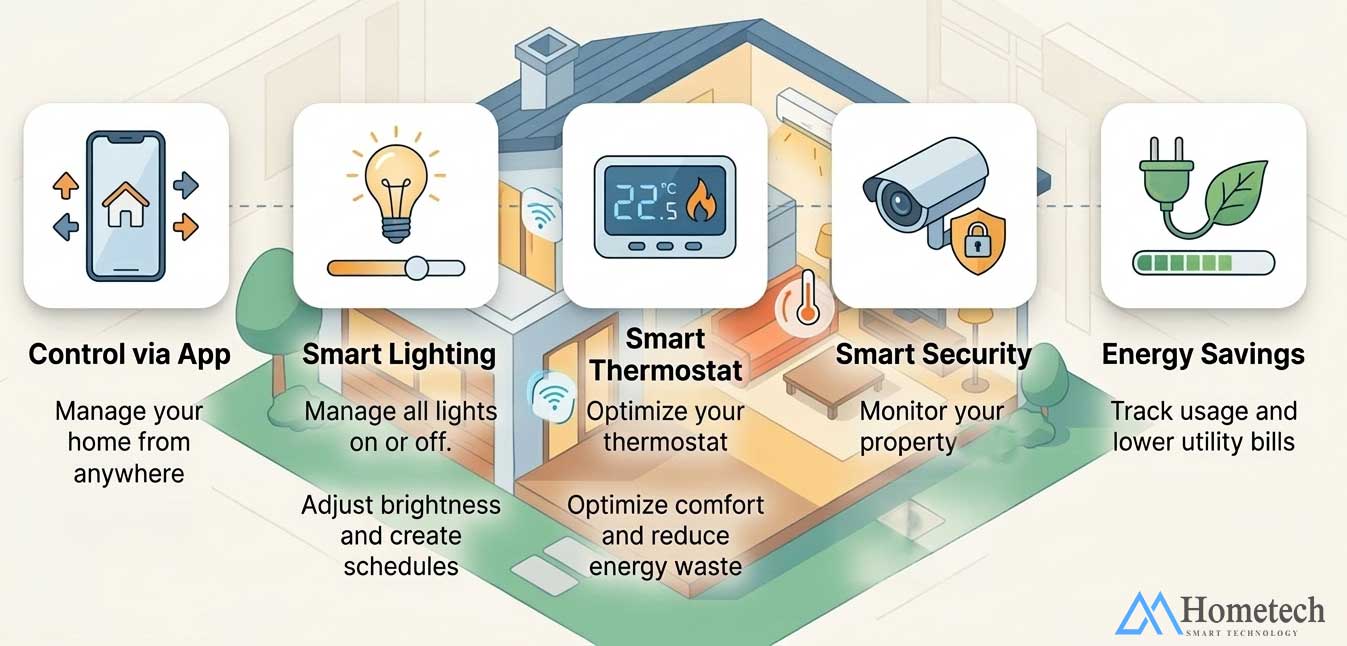
If you’re new to smart home technology, there are several popular devices that can help you get started. Smart thermostats learn your heating preferences and adjust automatically, while smart lighting systems allow you to control brightness and color with ease.
Smart speakers and voice assistants act as central hubs, enabling you to control multiple devices using voice commands. Meanwhile, smart security devices such as video doorbells and cameras provide real-time monitoring and alerts. Starting with a few key devices can make a big difference without overwhelming you.
Popular Smart Home Devices
- Smart thermostats
- Smart lighting systems
- Voice assistants and smart speakers
- Security cameras and video doorbells
Starting with a few key devices can make a big difference without overwhelming you.
Challenges and Considerations
While smart home automation offers many benefits, there are a few challenges to consider. The initial cost of devices and installation can be a barrier for some homeowners. Additionally, these systems rely heavily on a stable internet connection, which means disruptions can affect performance.
Privacy and data security are also important factors, as many devices collect and store user data. Taking time to research products and understand their features can help you make informed decisions and avoid potential issues.
Future Trends in Smart Home Automation: What to Expect
The future of smart home automation is rapidly evolving. Advances in artificial intelligence are making systems more intuitive, allowing them to learn from your habits and anticipate your needs. This means your home will become even more responsive over time.
There is also growing integration with renewable energy sources and smart grids, which will further enhance energy efficiency. As technology continues to improve, smart homes are expected to become more accessible, sustainable, and seamlessly integrated into everyday life.
Conclusion
Smart home automation is transforming the way we live by making our homes more comfortable, efficient, and secure. From simplifying daily tasks to reducing energy consumption, the benefits are both practical and impactful. If you’re considering upgrading your living space, starting small and expanding gradually is a smart approach. As technology continues to advance, investing in smart home solutions today can set the foundation for a more connected and convenient future.
For any questions or suggestions, please contact us at 07512 733211 or fi.hometechsmart@gmail.com.